Parkwalk is pleased to announce its latest investment in adsilico, a University of Leeds spinout, as part of a £10m Series A funding round
Leeds, 26 October 2026: adsilico™, a University of Leeds spinout, has raised £10m in Series A funding to expand its AI and simulation technology for assessing medical device performance in diverse virtual patient populations to inform costly development decisions. The round was led by PXN Ventures, and existing investors Northern Gritstone and Parkwalk also took part.
Heart valves, stents and other implants usually reach the market after clinical trials of a few hundred patients. Recruiting a trial that reflects everyone who will go on to receive a device is slow and costly, and some groups are much harder to reach, so participants tend to be disproportionately men. A study in JAMA Internal Medicine of 195 trials of high-risk implants found that women made up just 33% of participants, falling to 29% in cardiovascular trials. That leaves manufacturers and clinicians with limited evidence on how a device will behave in a woman, an older patient or someone with smaller or different anatomy until it is in wider use.
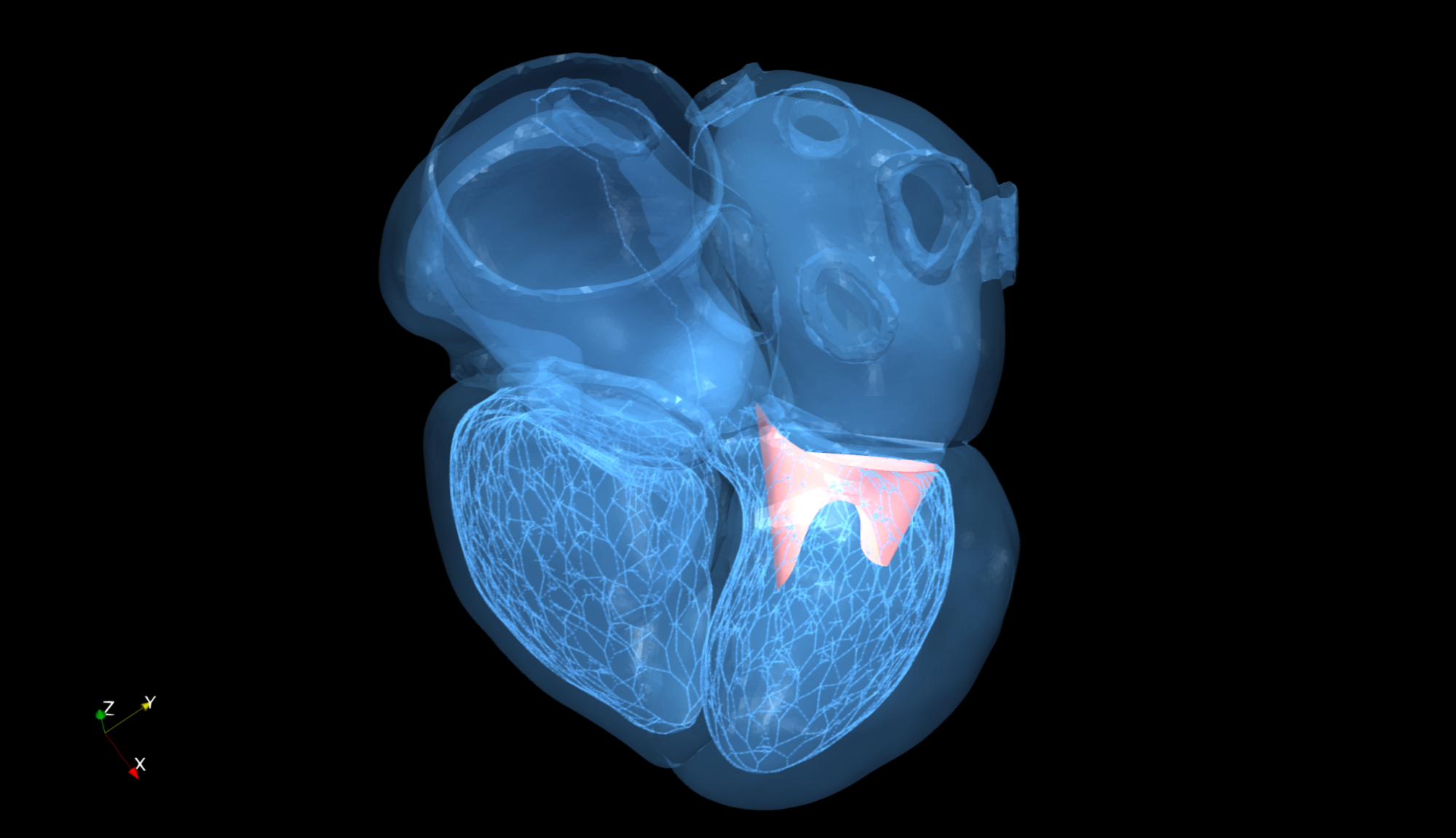
adsilico’s Virtual Chimera™ technology uses generative AI to build realistic virtual hearts and blood vessels from anonymised clinical scans. It then runs physics-based simulations of how a device behaves inside each one, under clinical oversight, across a virtual population that reflects real variation in age, sex, ethnicity, body size and disease. This can potentially expand use by showing how a device performs in a defined group, for example women aged 55 – 75 of South Asian heritage, before it reaches a real patient.
Medical device manufacturers can use these insights to inform strategic decisions, such as which sizes of a device they need to make for the patients it is intended for, or identify target patients who may be at higher risk before they commit to further development or recruitment into clinical trials. An estimated 13.7% of complex devices that enter non-clinical testing go on to reach approval, according to research for the US Department of Health and Human Services published in JAMA Network Open. adsilico adds a new dimension of evidence alongside laboratory, animal and clinical studies, so problems surface earlier and later studies can be better targeted. It also gives device makers human-relevant evidence before animal studies begin, which could reduce reliance on them.
This investment also comes as regulators in the UK and US are pushing for change. The UK’s independent review on equity in medical devices found evidence that some groups may receive sub-optimal treatment because of bias in the design and use of medical devices. In the US, the Food and Drug Administration has published guidance on using computer modelling as evidence in medical device submissions, and in September 2026 updated its rules for drugs and biologics to recognise computer models among the alternatives to animal studies.
The funding will extend the company’s work on heart models and take it into devices for the brain, such as flow diverters used to treat brain aneurysms, where trial numbers are smallest. adsilico – which is based at Nexus, the University of Leeds’ innovation hub – also plans to grow its team from 14 to 34 people.
adsilico has already completed projects with device makers in heart valve and neurovascular devices, and its cardiac work will be presented at TCT, a globally recognised meeting for the latest innovations in structural heart therapies.
Sheena Macpherson, CEO and co-founder at adsilico, said: “Patients miss out on the chance of a life-saving device, or face uncertainty about whether it will work for them, because people like them weren’t represented when it was designed and tested. We give medical device manufacturers early insight into the impact of anatomical diversity when it can still shape the design and help avoid costly mistakes or harm to patients.
“This investment enables us to grow our team and extend our reach beyond virtual hearts into new therapy areas. Our mission is for our virtual populations to reflect real-world diversity, helping make implantable device testing faster, safer and more equitable for the patients who need it. The UK has world-class clinical and research talent, and from our base in the North with backing from UK investment, we set the global standard for virtual patients within a new dimension of in silico generated evidence that will accelerate the launch of safer devices to those that need them most.”
Dr Anne Dobrée, Investment Director at Parkwalk, added: “adsilico is exactly the kind of science we exist to back: deep, hard-won intellectual property out of the UK’s universities, with a real chance to change how medical devices reach patients. We’ve worked with Sheena and the team since the company’s earliest days. Their Virtual Chimera technology tackles a problem that has held cardiovascular research back for years: a lack of diverse, representative data in clinical trials. This latest round of funding gives the team the capital to turn that technology into partnerships that put it to work for patients at scale, and we’re proud to keep supporting them on that journey.“
Duncan Johnson, CEO of Northern Gritstone, said: “Medical device manufacturers need to know that their products will work for the people who receive them, including populations that have been traditionally underserved. adsilico’s use of generative AI to build realistic virtual hearts and blood vessels provides vital information to help understand how these products will work much earlier, spotting potential problems before committing to costly human trials. Sheena and the team have come a long way since spinning out of the University of Leeds, and we’re pleased to support them in this next phase of growth.”
Dr Elizabeth Young, Investment Manager at PXN Ventures, said: “adsilico represents the level of groundbreaking innovation and deep thinking being spun out of universities across the North of the UK currently. What Sheena and the team have built has the potential to have a significant global impact for medical device manufacturers, the pre-clinical development process and, therefore most important of all, patients. PXN is excited to be joining at such a vital time for the business, supporting the team as it scales and sets new standards for in silico testing.“
adsilico was founded in 2024 by Sheena Macpherson, Dr Nishant Ravikumar and Dr Zeike Taylor, and spun out of the University of Leeds. To find out more about adsilico, please see their website or our portfolio page.